
Have you ever met someone and felt an instant spark, only to find out their zodiac sign is supposedly "incompatible" with yours? Or perhaps you've dated someone who, on paper, should have been your perfect astrological soulmate, yet the relationship fell flat?
If you’ve ever found yourself scrolling through compatibility charts or panic-Googling "Do Leos and Scorpios get along?" at 2 AM, you’re not alone. Zodiac compatibility is one of the most popular entry points into astrology. It offers a seductive promise: a cosmic cheat sheet to love, friendship, and chemistry.
However, most pop-astrology stops at the surface level—the Sun sign. While your Sun sign is undoubtedly important, relying on it alone to determine the fate of your relationship is like trying to judge a book by reading only the title.
In this guide, we’ll explore the basics of Sun sign compatibility, reveal why it’s often limited, and introduce you to the deeper, more nuanced world of Synastry—the art of comparing birth charts.
The Sun Sign Basics: The "Headline" of Compatibility
Your Sun sign represents your core identity, your ego, and the fuel that drives your life force. When we talk about "zodiac compatibility" in magazines or apps, we are usually comparing these two core identities.
At this level, compatibility is often determined by Elements (Fire, Earth, Air, Water) and Modalities (Cardinal, Fixed, Mutable).
The Elemental Flow: Natural Harmonies
The most common rule of thumb is that signs of the same element tend to understand each other instinctively.
- Fire + Fire (Aries, Leo, Sagittarius): Passionate, energetic, and adventurous. These couples feed each other’s enthusiasm but can burn out if tempers flare.
- Earth + Earth (Taurus, Virgo, Capricorn): Grounded, practical, and sensual. They build stable lives together but must be careful not to get stuck in a rut.
- Air + Air (Gemini, Libra, Aquarius): Intellectual, social, and communicative. They connect through ideas and conversation but may lack emotional depth or grounding.
- Water + Water (Cancer, Scorpio, Pisces): Emotional, intuitive, and empathetic. They share a psychic bond but can drown in each other's moods.
Complementary elements also work well: Fire & Air (Air feeds Fire) and Earth & Water (Water nourishes Earth).
The Friction Points: Squares and Oppositions
Challenges often arise between signs that are in a "Square" (90 degrees apart) or "Opposition" (180 degrees apart) aspect.
- The Squares: These signs have the same Modality (e.g., Fixed) but different, clashing elements. Think Leo (Fire) vs. Scorpio (Water). Both are stubborn and powerful, leading to intense attraction but potentially explosive power struggles.
- The Oppositions: These signs are directly across the zodiac wheel from each other. Think Aries vs. Libra. They are polar opposites, which can create a "magnetic attraction"—you possess what I lack. However, it requires constant balancing to make it work.
Why Sun Signs Are Limited: The "Tip of the Iceberg"
So, if you are a Gemini and your partner is a Virgo (a classic "Square" clash), are you doomed? Absolutely not.
Relying solely on Sun signs for compatibility ignores the vast majority of the astrological picture. You are not just your Sun sign; you are a complex map of planets, houses, and angles.
1. The Moon Sign: Emotional Needs
While the Sun is who you are, the Moon is what you need. Your Moon sign dictates your emotional landscape, your domestic habits, and how you instinctively react to stress.
- Example: A Sagittarius Sun loves freedom, but if they have a Cancer Moon, they secretly crave a cozy home and deep emotional security. If their partner addresses only the "adventurous" Sun and ignores the "sensitive" Moon, the relationship will feel hollow.
2. Venus and Mars: The Lovers
In romantic astrology, Venus and Mars are the true MVPs.
- Venus governs what we value, how we express affection, and our taste in beauty. It’s the "romance" factor.
- Mars governs our drive, passion, sexual style, and how we handle conflict. It’s the "chemistry" factor.
- A couple might have incompatible Sun signs but harmonious Venus signs (similar love languages) and Mars signs (great physical chemistry), making for a fantastic relationship.
3. The Ascendant (Rising Sign): The First Impression
Your Rising sign is the mask you wear and how you navigate the world. It’s often the source of initial attraction. If your partner’s planets align well with your Ascendant/Descendant axis, you will feel a strong pull toward them as a "significant other."
Enter Synastry: The Real Compatibility Test
To truly understand the dynamic between two people, astrologers use a technique called Synastry. This involves superimposing one person's birth chart over the other's to see how the planets interact geometrically.
Instead of just asking "Do Taurus and Aquarius get along?", Synastry asks specific, nuanced questions:
- "Does my Saturn stabilize your Mars, or does it restrict your energy?"
- "Does your Jupiter expand my horizons, or does it encourage my excesses?"
- "Is my Moon comfortable in your 4th House of home and family?"
The "glue" aspects
In Synastry, we look for specific connections that bind people together:
- Sun-Moon Contacts: Classic indicators of marriage and deep understanding.
- Venus-Mars Contacts: High physical attraction and romantic desire.
- Saturn Contacts: Often feared, but necessary for longevity. Saturn provides the "glue" that keeps a couple together through hard times.
How to Explore Your Compatibility
Understanding the full picture requires knowing your exact time, date, and place of birth—and that of your partner.
At Astraia, we believe that astrology shouldn't just label a relationship as "Good" or "Bad," but rather provide a roadmap for understanding the unique dynamics at play. Every relationship has strengths to leverage and challenges to navigate.
Ready to go deeper?
Don't rely on generic advice. Use Astraia’s Relationship Compatibility Feature to calculate your full Synastry chart. We analyze the interplay between your Moons, Venuses, Mercuries, and more, giving you a comprehensive look at your cosmic connection.
Conclusion
Sun sign compatibility is fun, easy, and occasionally insightful, but it is ultimately a simplification of a beautiful, complex reality. Human beings are multifaceted, and so are the stars.
If you are in a relationship that "shouldn't work" according to basic astrology, but it feels right—trust your intuition (and check your full chart!). Chances are, there are hidden harmonies in your Moon, Venus, or Rising signs that tell a completely different story.
Love is rarely simple, but the stars can help us understand the mystery a little better.
Related Articles
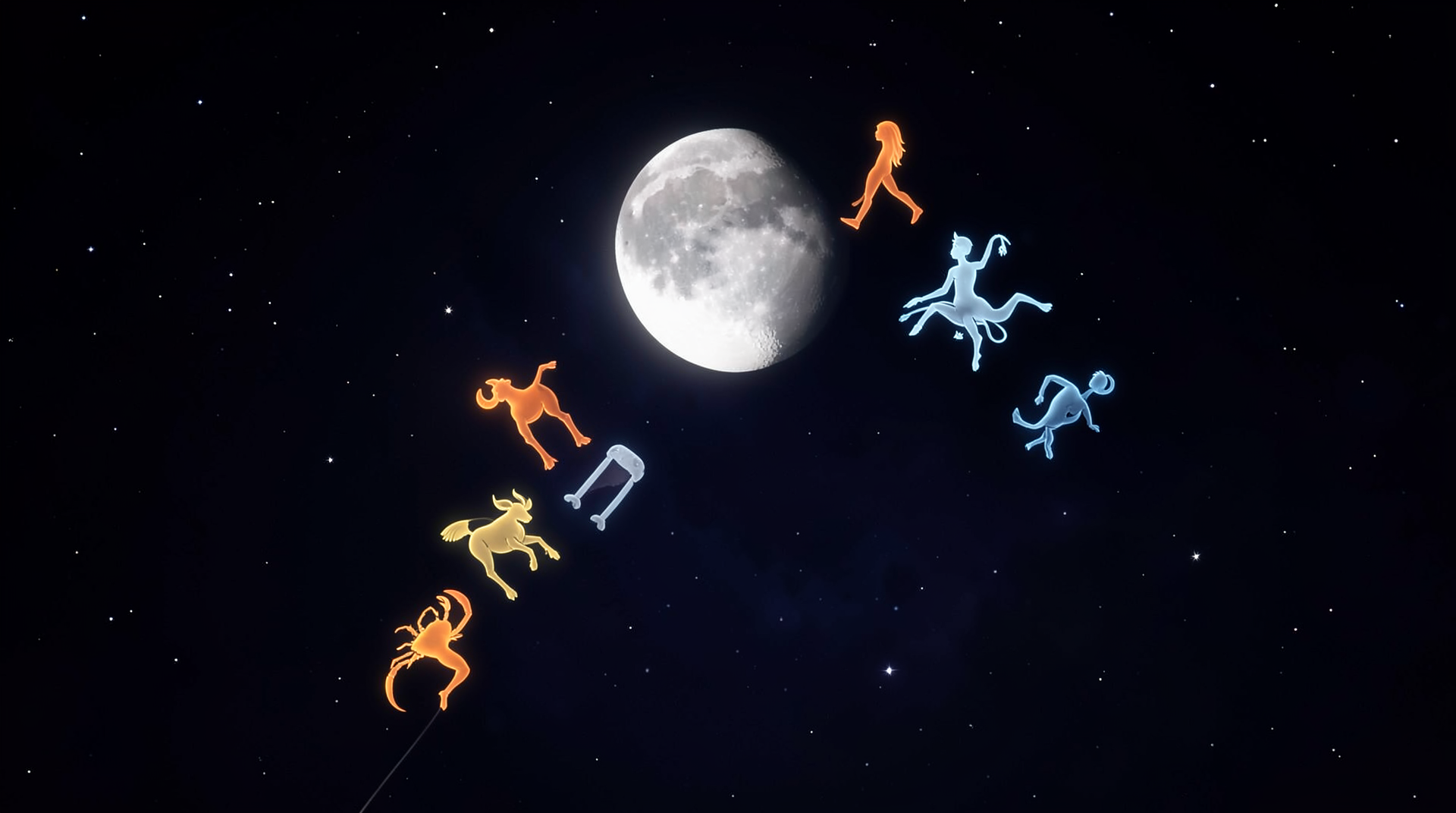
The Moon's Wane Across 2026-W40: Aries Fire, Taurus Ground, Gemini Air, Cancer Water — Into the Last Quarter
October 4, 2026
Week 40 of 2026 sees the waning Moon tour all four elements — Aries fire, Taurus earth, Gemini air, Cancer water — reaching the Last Quarter on Oct 3 alongside Venus turning retrograde. Here's how to ride the release.
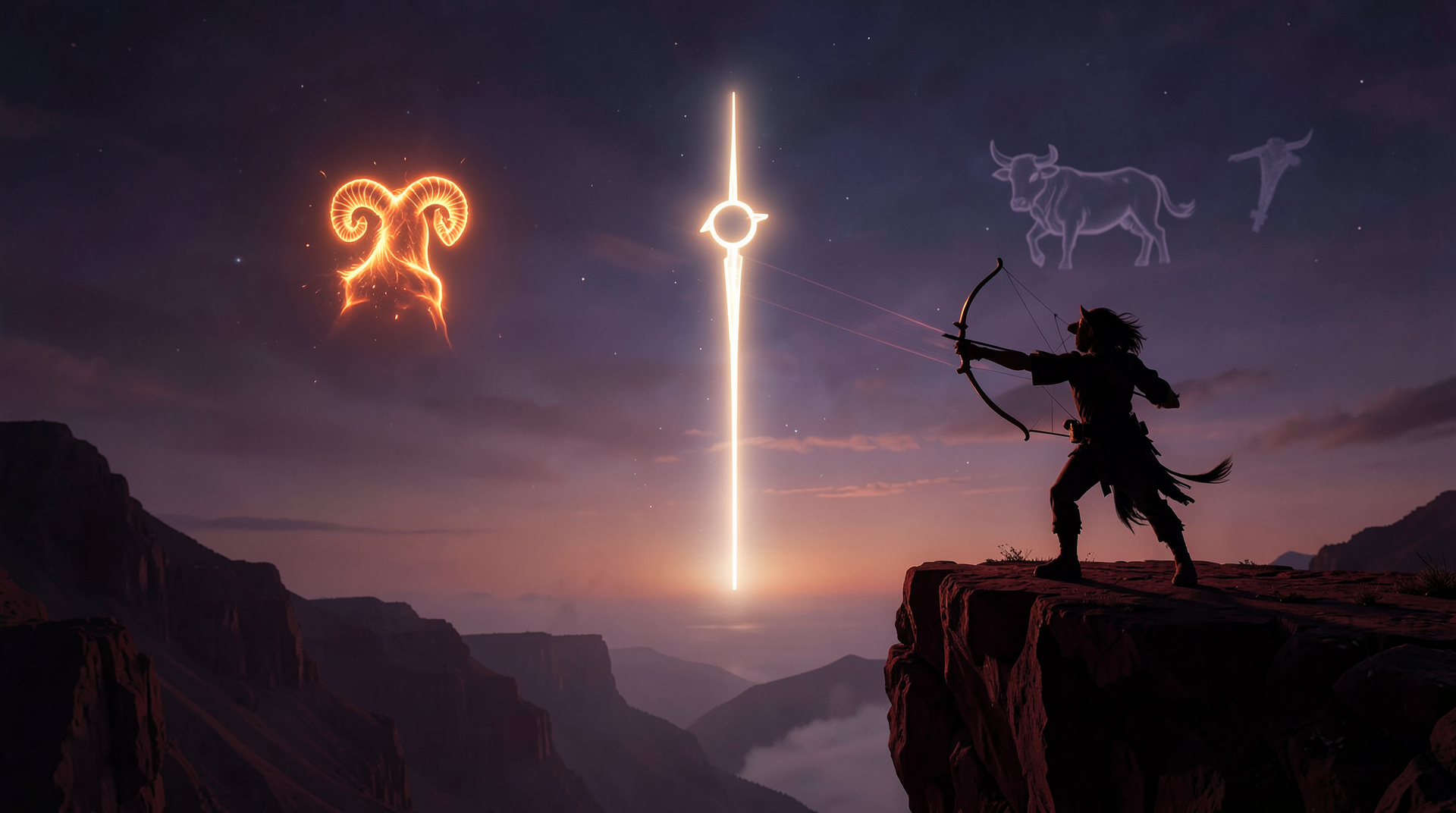
Chiron Hovers at 29° Aries: The Anaretic Degree on the Final Fall of the Aries Wound-Healing Era
October 3, 2026
On Oct 3, 2026, Chiron retrogrades to the anaretic degree of 29° Aries — the final fall of the eight-year Aries wound-healing era before its 2027 homecoming to Taurus.
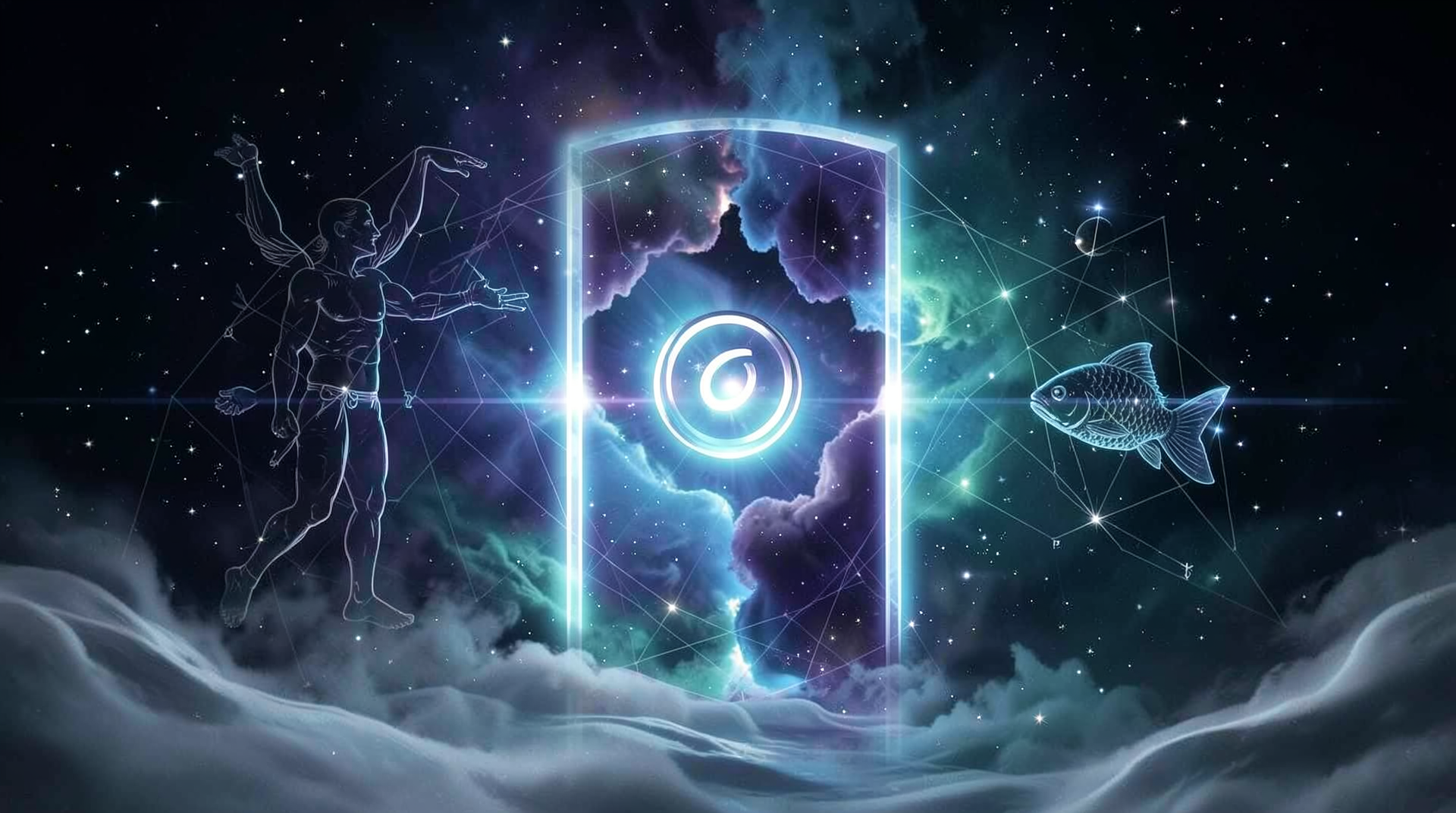
The North Node Stations Direct at 29° Aquarius (Oct 3): A Karmic Pivot at the Threshold of Pisces
October 2, 2026
On Oct 3, 2026, the North Node stations direct at 29° Aquarius — the anaretic threshold crossing into Pisces. What this karmic pivot (and the Venus retrograde on the same day) means for you.
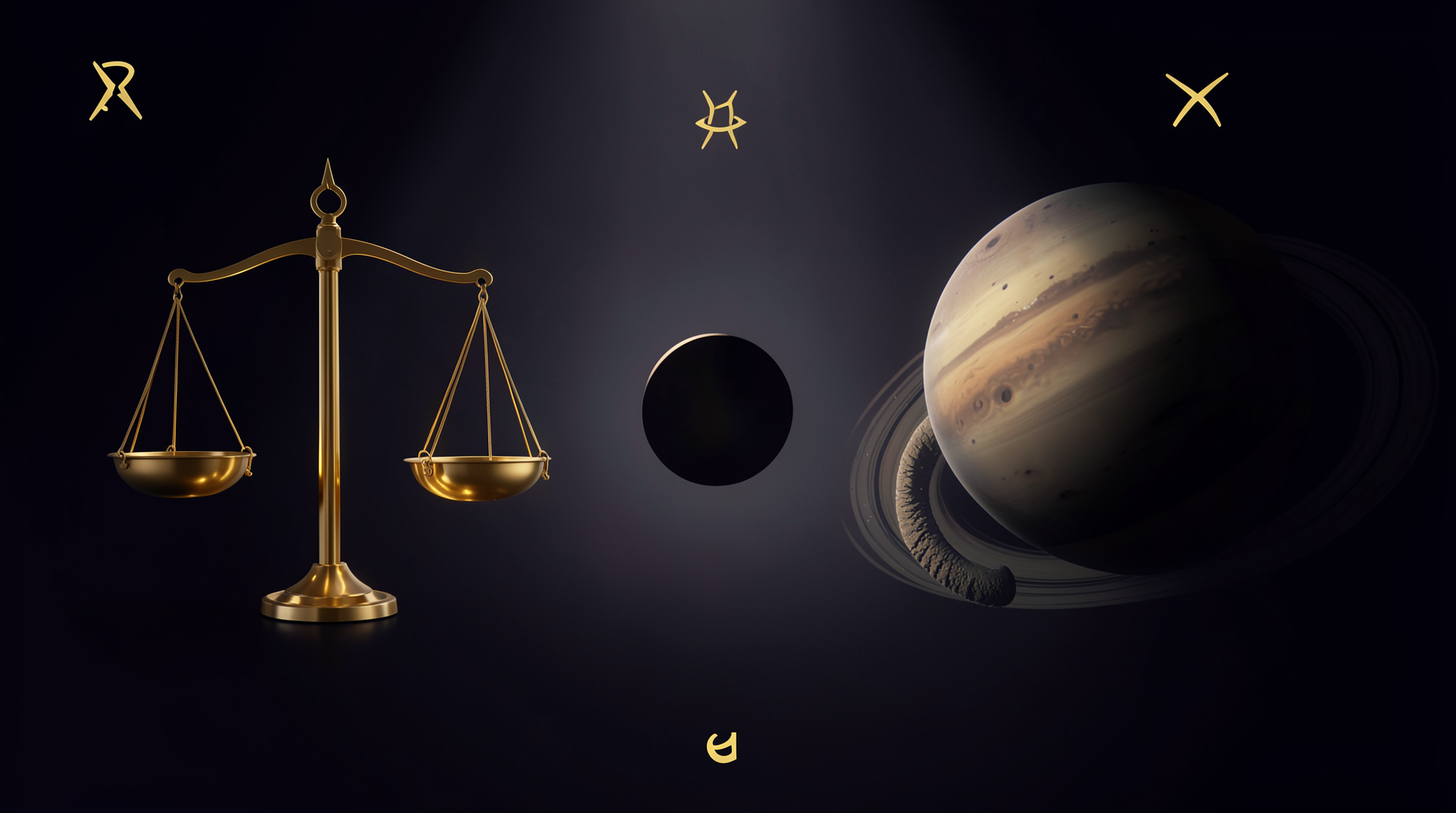
Sun Opposes Saturn on October 4 — the Day After the Last Quarter Moon: Libra Season's Accountability Check
October 1, 2026
The Sun opposes retrograde Saturn on October 4, 2026 — the day after the Last Quarter Moon in Cancer. What Libra season's accountability check means for relationships, work, and money, plus who feels it most and how to use it.