Companion to the free natal chart calculator.
Open the free natal chart calculatorSun, Moon & Rising
The three placements most people meet first in a natal chart.
Most chart summaries highlight Sun, Moon, and Rising (Ascendant). Together they are a useful shorthand—not the whole chart, but a strong starting point for self-reflection and for understanding how astrologers structure a reading.
Sun sign: core style and vitality
The Sun shows the archetype you grow through—motivation, ego style, and the life areas where you want to shine. It is stable by birth date alone, so it is the easiest piece to get right without a birth time.
Moon sign: needs, comfort, and emotional rhythm
The Moon speaks to needs, safety, habits, and how you process feelings. It moves quickly (roughly every two days), so an accurate birth date—and ideally time—helps place it precisely. Without a time, the Moon is usually still reliable by sign for many people on a given date, but edge cases exist near sign changes.
Rising sign: approach, first impressions, and the chart’s “lens”
The Rising sign is the zodiac degree rising on the eastern horizon at birth. It colors first impressions, coping style, and how you tend to meet the world. Because the Earth rotates, Rising changes about every two hours (rule of thumb). Without birth time, Rising is not trustworthy—treat any guess as speculative.
Use the big three well
- Treat them as patterns, not fate.
- Notice tension between Sun wants and Moon needs—common and human.
- Add houses and aspects when you are ready for nuance.
Avoid common pitfalls
- Don’t reduce someone to one sign.
- Don’t panic over a “difficult” aspect—context matters.
- If time is unknown, hold Rising and houses lightly.
The chart is a mirror for timing and temperament—not a verdict on your worth.
Try it on your chart
- Free natal chart calculator
See your Sun, Moon, Rising, and wheel when data allows.
- What is a birth chart?
Basics of the map and why time and place matter.
Related reading
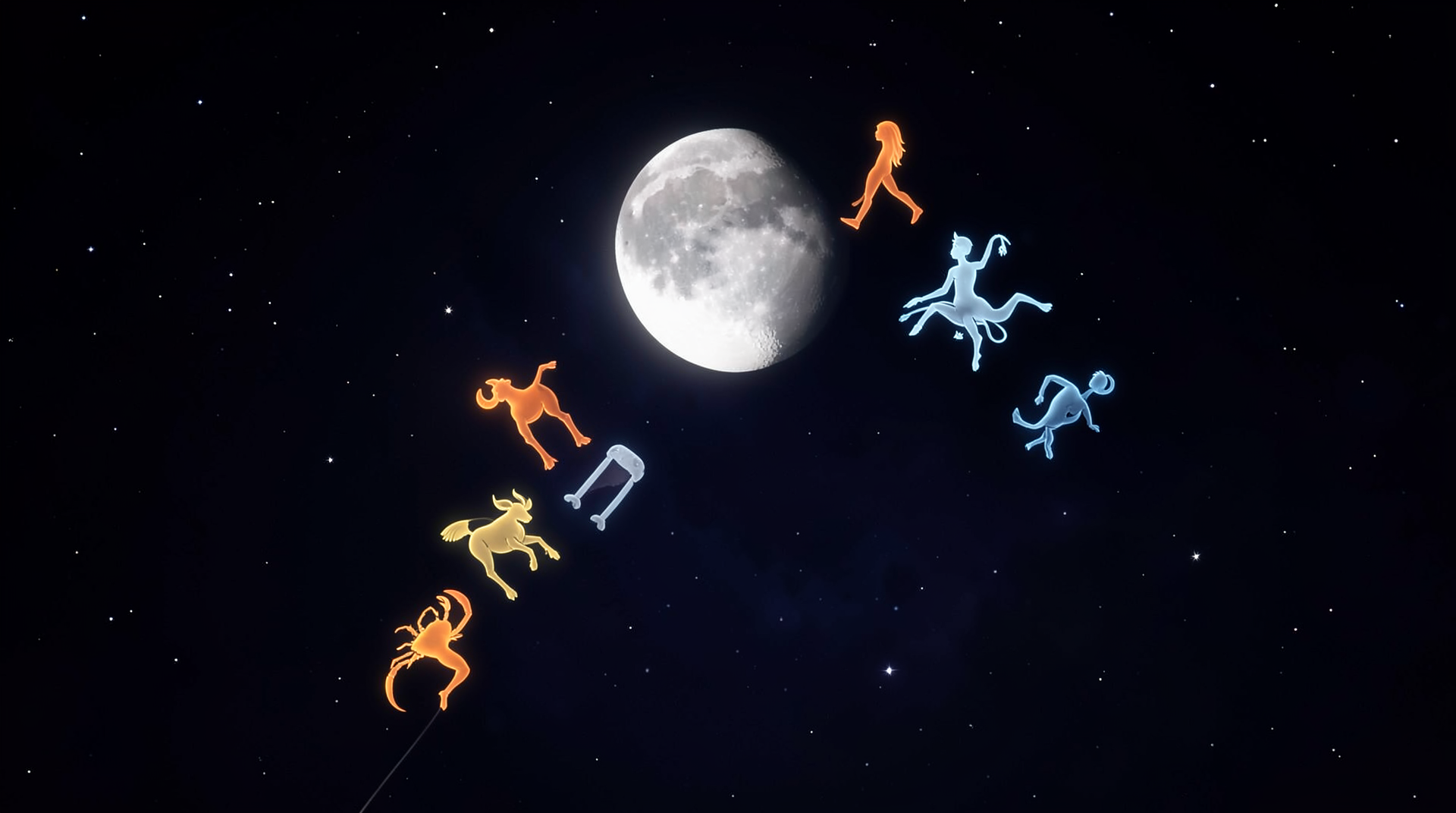
The Moon's Wane Across 2026-W40: Aries Fire, Taurus Ground, Gemini Air, Cancer Water — Into the Last Quarter
October 4, 2026
Week 40 of 2026 sees the waning Moon tour all four elements — Aries fire, Taurus earth, Gemini air, Cancer water — reaching the Last Quarter on Oct 3 alongside Venus turning retrograde. Here's how to ride the release.
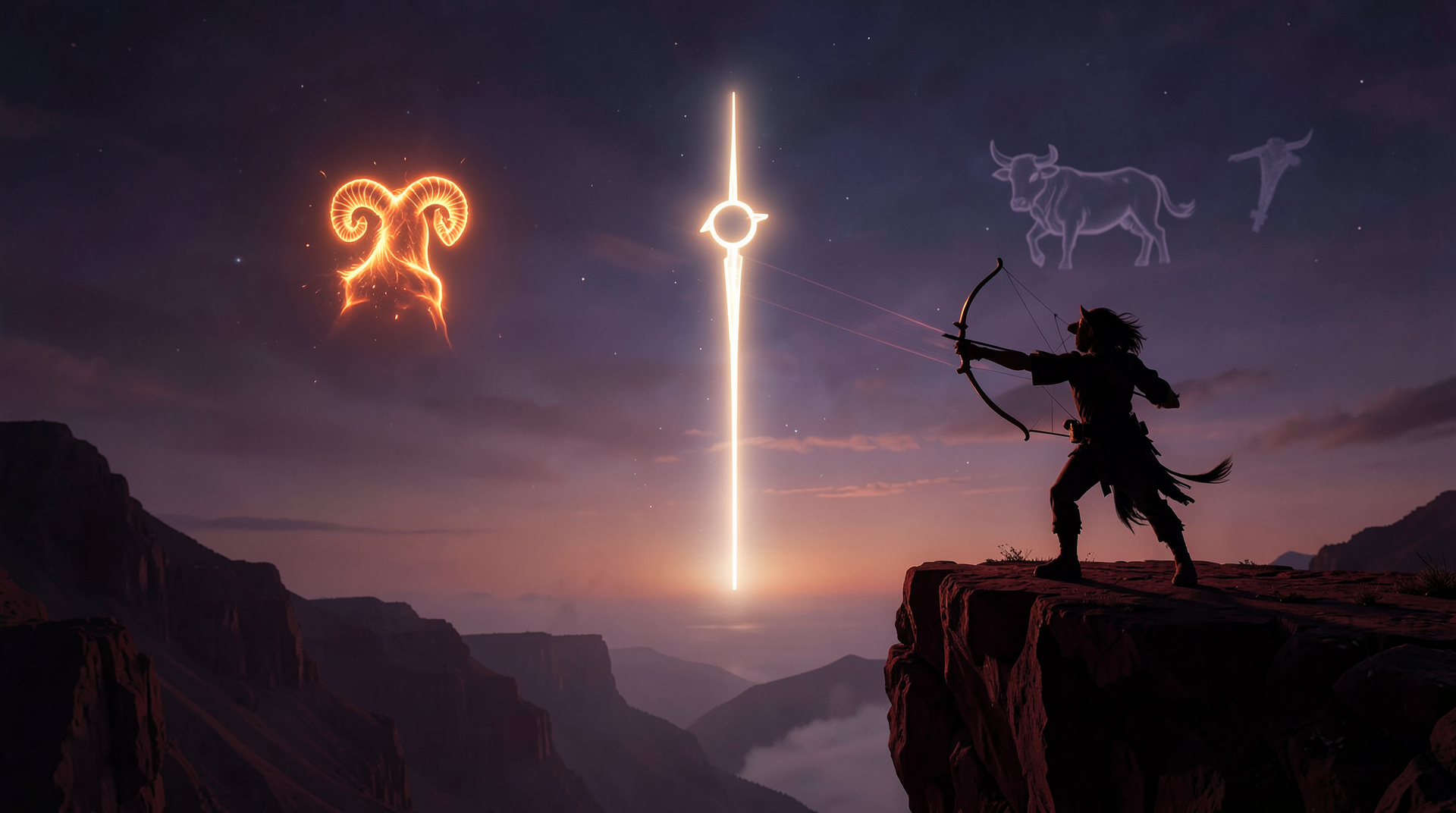
Chiron Hovers at 29° Aries: The Anaretic Degree on the Final Fall of the Aries Wound-Healing Era
October 3, 2026
On Oct 3, 2026, Chiron retrogrades to the anaretic degree of 29° Aries — the final fall of the eight-year Aries wound-healing era before its 2027 homecoming to Taurus.

The North Node Stations Direct at 29° Aquarius (Oct 3): A Karmic Pivot at the Threshold of Pisces
October 2, 2026
On Oct 3, 2026, the North Node stations direct at 29° Aquarius — the anaretic threshold crossing into Pisces. What this karmic pivot (and the Venus retrograde on the same day) means for you.
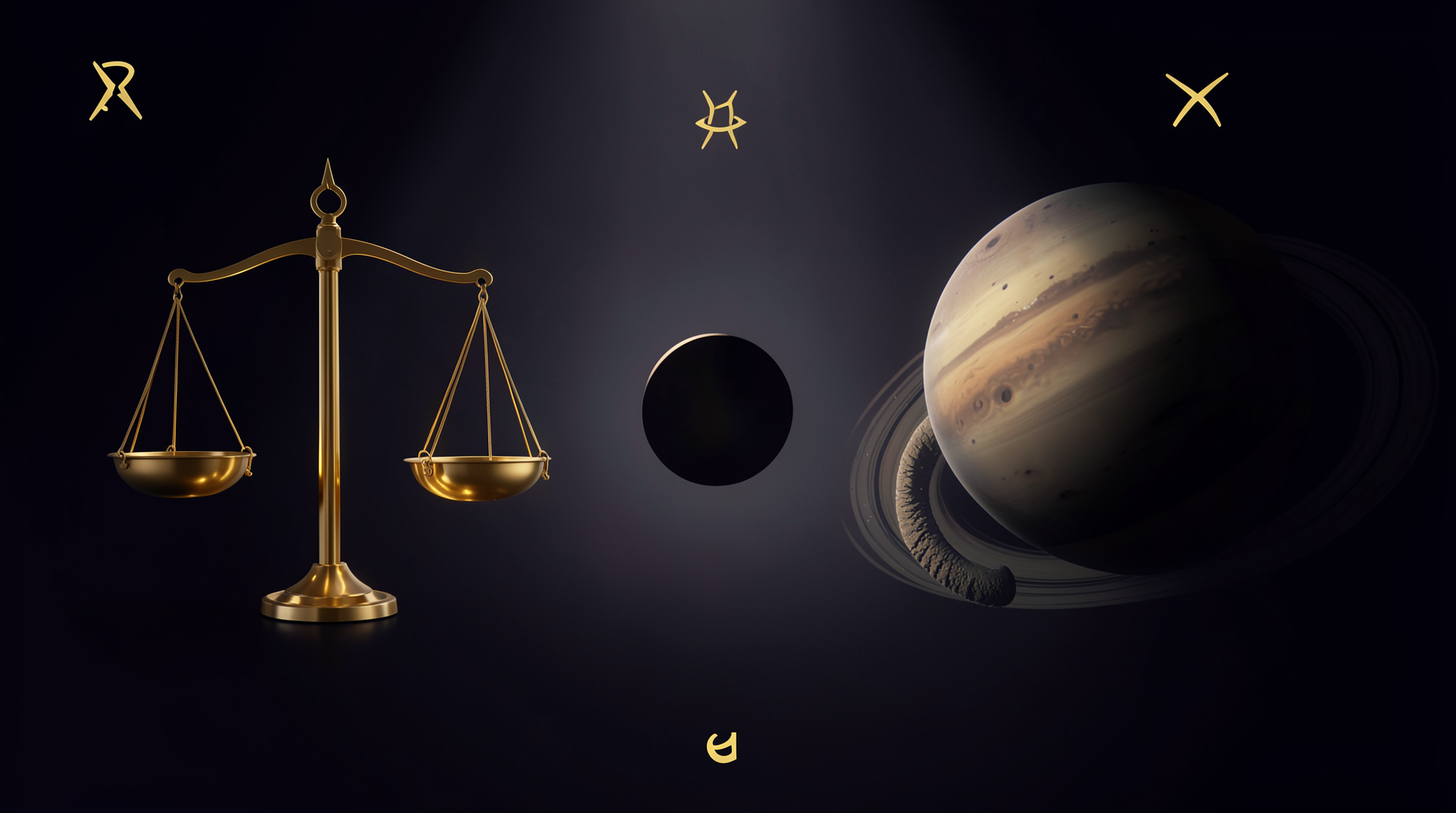
Sun Opposes Saturn on October 4 — the Day After the Last Quarter Moon: Libra Season's Accountability Check
October 1, 2026
The Sun opposes retrograde Saturn on October 4, 2026 — the day after the Last Quarter Moon in Cancer. What Libra season's accountability check means for relationships, work, and money, plus who feels it most and how to use it.