
The Stars of Seoul: Navigating South Korea’s General Election Kickoff Under a Retrograde Sky
Official campaigning for South Korea’s 2026 General Election has officially begun today, March 10, 2026. As candidates hit the streets of Seoul and beyond, two massive shadows loom over the political landscape: the long-overdue pension reform and the deepening national demographic crisis.
While the political rhetoric is heating up, the cosmic alignment suggests a campaign season that will be anything but straightforward. With several major planetary shifts occurring simultaneously, the stars indicate a period of profound restructuring, potential confusion, and a desperate search for new foundations.
The Mercury Retrograde Factor: A Muddled Message
The most immediate astrological influence on this kickoff is Mercury Retrograde in Pisces. Mercury, the planet of communication and logistics, is currently moving backward through the misty, emotional sign of Pisces.
In the world of politics, this is a classic "warning" sign. Mercury Retrograde in Pisces often brings:
- Vague Promises: Candidates may struggle to provide concrete details, offering visionary but nebulous solutions to complex problems like pension sustainability.
- Miscommunication and Scandals: Information released now may be misinterpreted, or older "ghosts" from the past may resurface to haunt current campaigns.
- Fact-Checking Nightmares: With Pisces’ influence, the line between fact and "feeling" becomes blurred. Voters should be exceptionally diligent in verifying the data behind campaign ads.
Astrological Warning: Expect significant "pivot" moments later in the campaign. What is promised during this first week may be radically revised or "clarified" once Mercury goes direct.
Saturn and Neptune in Aries: The Pension Paradox
As campaigning starts, both Saturn (structure and responsibility) and Neptune (ideals and illusions) have recently entered Aries, the sign of the pioneer. This conjunction is the astrological backdrop for the debate over pension reform.
South Korea is facing a reality check: a system designed for a different era is meeting the fiery, impulsive energy of Aries.
- Saturn in Aries demands immediate, perhaps even aggressive, action to fix aging structures. It represents the "hard truth" of the math behind the pension fund.
- Neptune in Aries, however, can represent a "smoke and mirrors" approach—politicians might try to sell an idealized future that isn't supported by Saturn’s cold, hard numbers.
The tension here suggests that while the candidates will project strength and decisiveness (Aries), the underlying issues are incredibly complex and may be "dissolved" or delayed by the Neptunian influence.
Jupiter in Cancer: The Demographic Crisis
The national demographic crisis—characterized by the world's lowest birth rate—is the other "elephant in the room." With Jupiter in Cancer, the planet of expansion is moving through the sign of family, home, and the mother.
On the positive side, this transit encourages a massive national focus on childcare, housing for young couples, and social safety nets for families. We can expect bold, expansive proposals aimed at "nurturing" the population back to growth.
However, the downside of Jupiter in Cancer can be emotional manipulation. Politicians may appeal to traditional values or use "scare tactics" about the disappearing nation to win votes, rather than offering sustainable, long-term economic shifts.
Critical Cautions for the Electorate
As we navigate this election cycle, astrology offers a few vital cautions:
- Avoid Impulsive Decisions: With the Sun, Mercury, and Mars all in water signs, and Saturn/Neptune in impulsive Aries, emotions are running high. Avoid making a final choice based on a single inflammatory speech or a sentimental advertisement.
- Watch for "Hidden" Data: Mercury Retrograde in Pisces can hide the fine print. When a candidate discusses pension reform, look for what they aren’t saying.
- Delay Finality: If possible, wait until the final week before the election (when Mercury begins to clear its shadow) to solidify your stance. The narrative will likely shift significantly between now and election day.
Disclaimer: Astrological transits provide a map of the prevailing "energetic weather" and are intended for guidance and self-reflection. They should not be used as a definitive predictor of political outcomes or as the sole basis for making voting decisions. Always consult multiple sources and rely on factual evidence.
Conclusion
The 2026 South Korean General Election is kicking off under a sky that demands a "re-thinking" (Mercury Retrograde) of the very "bones" of society (Saturn). While the demographic crisis and pension reform are urgent, the current cosmic climate suggests that the path to a solution will be winding, emotional, and prone to revision. For the voters of South Korea, the challenge will be to see through the Piscean mist and find the Aries courage to demand real, structural change.
Related Articles
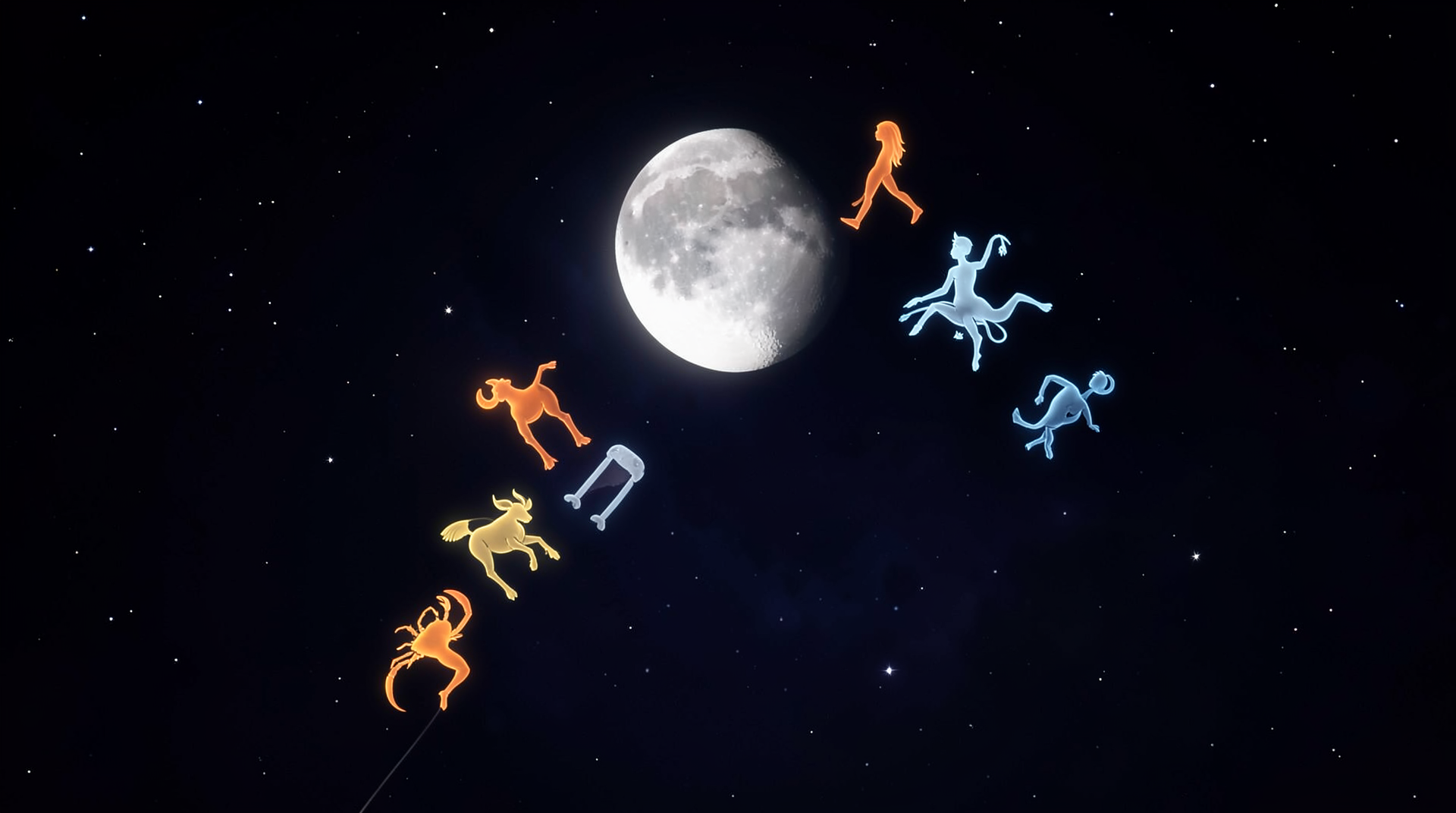
The Moon's Wane Across 2026-W40: Aries Fire, Taurus Ground, Gemini Air, Cancer Water — Into the Last Quarter
October 4, 2026
Week 40 of 2026 sees the waning Moon tour all four elements — Aries fire, Taurus earth, Gemini air, Cancer water — reaching the Last Quarter on Oct 3 alongside Venus turning retrograde. Here's how to ride the release.
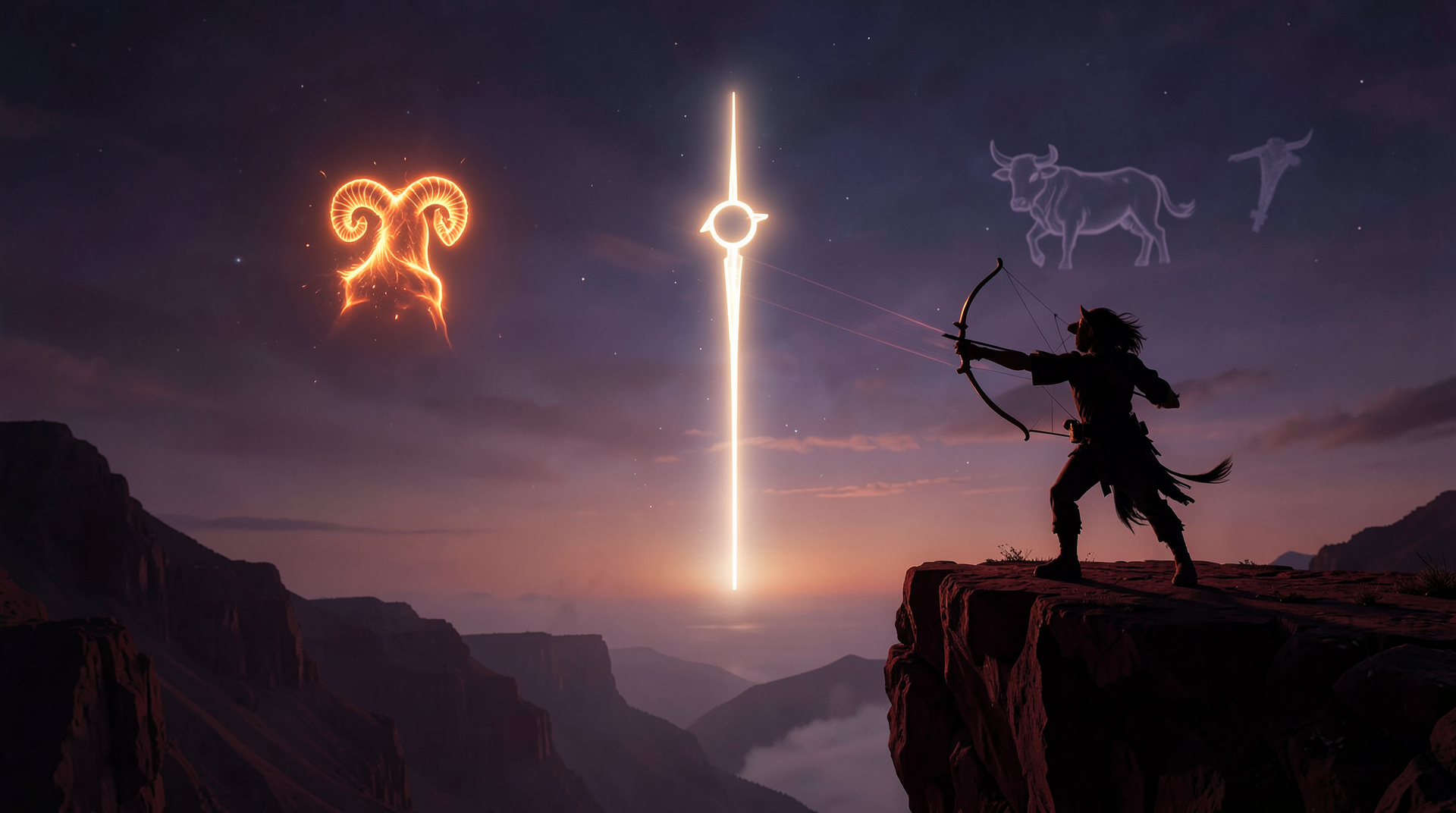
Chiron Hovers at 29° Aries: The Anaretic Degree on the Final Fall of the Aries Wound-Healing Era
October 3, 2026
On Oct 3, 2026, Chiron retrogrades to the anaretic degree of 29° Aries — the final fall of the eight-year Aries wound-healing era before its 2027 homecoming to Taurus.

The North Node Stations Direct at 29° Aquarius (Oct 3): A Karmic Pivot at the Threshold of Pisces
October 2, 2026
On Oct 3, 2026, the North Node stations direct at 29° Aquarius — the anaretic threshold crossing into Pisces. What this karmic pivot (and the Venus retrograde on the same day) means for you.
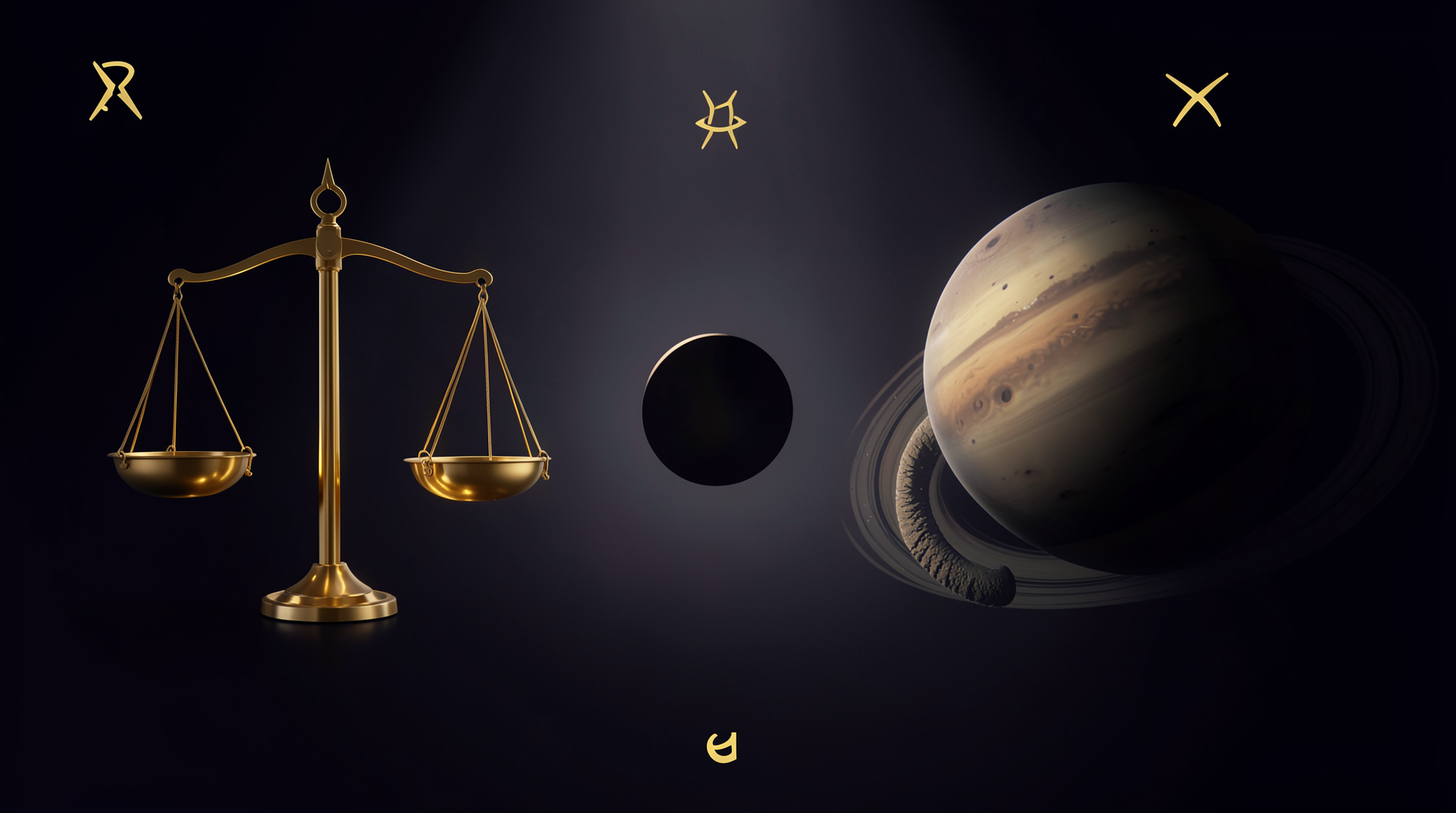
Sun Opposes Saturn on October 4 — the Day After the Last Quarter Moon: Libra Season's Accountability Check
October 1, 2026
The Sun opposes retrograde Saturn on October 4, 2026 — the day after the Last Quarter Moon in Cancer. What Libra season's accountability check means for relationships, work, and money, plus who feels it most and how to use it.